





Energie + Regeneration
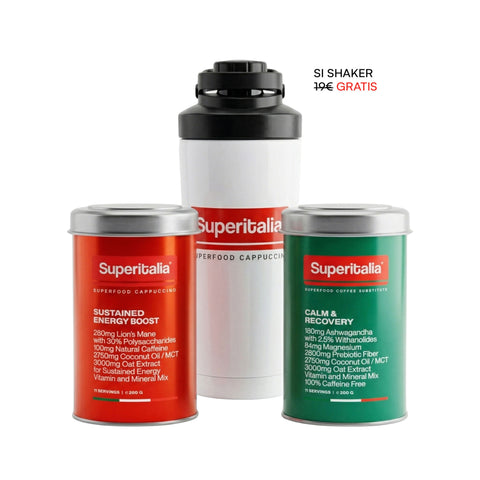
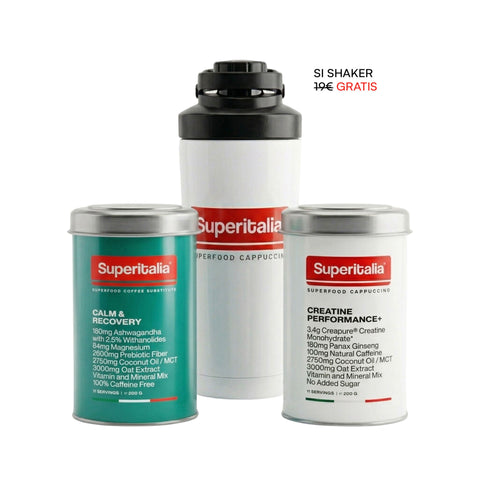
Sustained Energy Boost & Calm & Recovery – der perfekte Tagesrhythmus für alle die täglich trainieren.

Biotin Coffee: High-Dose Marketing vs. Nutritional Reality
The trend of adding biotin to your morning coffee has captured the interest of anyone seeking a convenient way to support hair, skin, and nails. Biotin, or vitamin B7, is biologically vital because it serves as an essential coenzyme in fatty acid and amino acid metabolism[1]. This metabolic activity is crucial for supporting the cellular pathways associated with keratin, the primary structural protein found in your hair and nails. However, the gap between commercial beauty marketing and clinical reality is substantial.
A look at the scientific literature reveals that clinical trials investigating biotin rely on massive therapeutic quantities. In a systematic review by Patel et al. (2017), researchers evaluated clinical studies with doses far exceeding typical dietary intakes:
- Clinical trial doses: Studies on hair loss and brittle nails evaluated doses ranging from 300 to 30,000 mcg per day.
- Lack of trials in healthy individuals: The review reported zero randomized controlled trials showing benefits for people who are not biotin-deficient[2].
- Nutritional reality: Excess water-soluble biotin is simply excreted by the body when your baseline levels are already adequate.
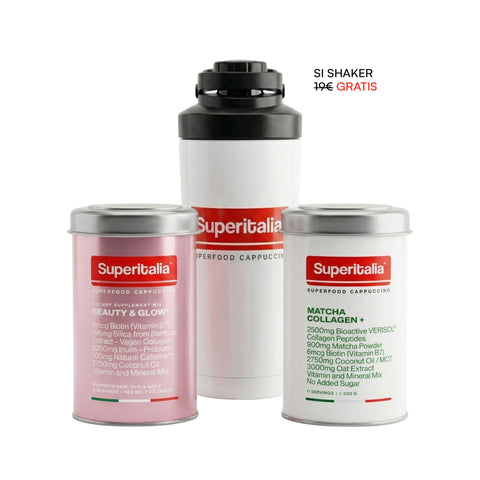
This is why transparency is crucial. A functional coffee blend like Superitalia Beauty & Glow contains exactly 6 mcg of biotin per serving. This is a gentle, nutritionally supportive amount designed to help prevent daily deficiencies rather than act as a high-dose clinical therapy. In fact, at 6 mcg per serving, the biotin content is not the basis of any official health claim. It acts as an integrated daily baseline within your broader approach to beauty from within, avoiding the overhyped promises of high-dose marketing.
Bamboo Silica and Nail Health: Structural Mechanisms Explained
If you have ever dealt with splitting, peeling, or easily broken nails, you are experiencing what dermatologists classify as brittle nails. This common concern often stems from a weakening of the nail matrix and a breakdown of the keratin infrastructure, a process reviewed by Chessa 2020[3]. To address this, many beauty routines turn to silicon, a trace element that plays a structural role in the body. Mechanistically, silicon is involved in collagen hydroxylation and helps support the extracellular matrix that holds keratin structures together[4]. In Superitalia's Beauty & Glow cappuccino, this element is supplied naturally via 196 mg of silica derived from bamboo extract.
However, keeping an honest perspective on beauty ingredients means looking closely at regulatory realities. While silicon supports these structural pathways, the clinical evidence for its cosmetic effects remains highly limited. In fact, the European Food Safety Authority (EFSA) rejected all proposed silicon health claims[5]. This means it is legally and scientifically incorrect to claim that silica improves skin elasticity or strengthens your nails. Instead of relying on hyped promises, it is better to view bamboo silica as a supportive, attributive element in your daily nutrition. This functional ingredient works best as part of a broader, consistent self-care ritual rather than a quick-fix clinical treatment.
- Silicon acts mechanistically to support collagen structures in your skin and keratin structures in your nails.
- The 196 mg of silica in Superitalia's formula provides a natural, bamboo-derived source of this trace element.
- EFSA has not approved any health claims for silicon, so it should be viewed as a supportive daily ritual rather than a proven medical therapy.
The Gut-Skin Axis: Prebiotic Inulin as a Wellness Foundation
True radiance is rarely just skin-deep. Modern functional nutrition highlights a powerful connection known as the gut-skin axis, where the state of your digestive system directly influences your cutaneous health. When your gut microbiome is balanced, it supports systemic pathways that keep your skin looking clear and resilient. To nurture this system from the inside out, wellness enthusiasts are shifting their focus from topical treatments to dietary prebiotic fibers that feed beneficial intestinal bacteria.
Inulin is a prime example of such a fiber. According to the International Scientific Association for Probiotics and Prebiotics, a prebiotic is formally defined as a substrate that is selectively utilized by host microorganisms conferring a health benefit. By selectively feeding friendly microbes like Bifidobacteria, inulin supports a healthy digestive environment, which in turn helps keep your systemic systems balanced. This fundamental balance serves as the starting point for any targeted beauty ritual.
- Selective utilization: Prebiotics act as specialized fuel for beneficial gut microbes, promoting their growth over less helpful species.
- Microbiome support: A thriving gut flora produces short-chain fatty acids (SCFAs) that help strengthen your intestinal barrier[6], which may indirectly support overall skin vitality.
- Realistic dosage: Daily intake of prebiotics supports your daily metabolic processes, though physiological outcomes depend heavily on the total amount consumed.
To be completely transparent about the numbers, a single serving of Superitalia Beauty & Glow provides 2,250 mg of prebiotic inulin. While this dosage is a fantastic daily contribution to your gut microbiome, it does not reach the 12 grams per day required to claim an official EFSA health benefit for bowel regularity. Enjoying it as a delicious functional ritual is a great way to support your wellness foundation, but it should complement a diverse diet rich in whole-food fibers.
Frequently asked questions
Can biotin coffee cure hair loss?
No, biotin-infused coffee cannot cure or reverse hair loss. Clinical reviews show that oral biotin supplementation is only effective at improving hair growth in individuals who have an actual, diagnosed biotin deficiency. For healthy individuals who already consume enough biotin through a balanced diet, adding biotin to coffee does not provide additional cosmetic benefits.
How much biotin is in Superitalia Beauty & Glow?
Beauty & Glow contains 6 mcg of biotin per serving. This is a gentle, nutritionally supportive amount that helps meet your daily baseline requirements. However, it is far below the high therapeutic doses of 2,500 to 30,000 mcg used in clinical studies of hair and nail health, and it is not intended to act as a therapeutic beauty supplement.
Are there any authorized health claims for biotin in functional coffees?
Under European Union regulations, a nutrient must meet a specific minimum threshold of the Nutrient Reference Value per 100 ml of prepared beverage to carry health claims. At 6 mcg per serving, biotin in Beauty & Glow sits close to that threshold, so it is not a reliable basis for a hair or skin claim and none is made for it.
Does silica in coffee improve skin elasticity?
No. While silica from bamboo extract is often marketed as a vegan collagen builder, the European Food Safety Authority (EFSA) rejected all 19 submitted health claims for silicon. Therefore, it is unlawful to claim that silica improves skin elasticity, reduces wrinkles, or strengthens hair and nails. It is best understood as a natural structural mineral rather than a proven beauty treatment.
How does prebiotic inulin in coffee support wellness?
Inulin is a soluble fiber that fits the official consensus definition of a prebiotic: a substrate selectively utilized by host microorganisms to confer a health benefit. By serving as a food source for beneficial bacteria in the gut, inulin supports a healthy microbiome. However, typical servings do not meet the 12 g daily dose required for authorized EFSA bowel-regularity claims.